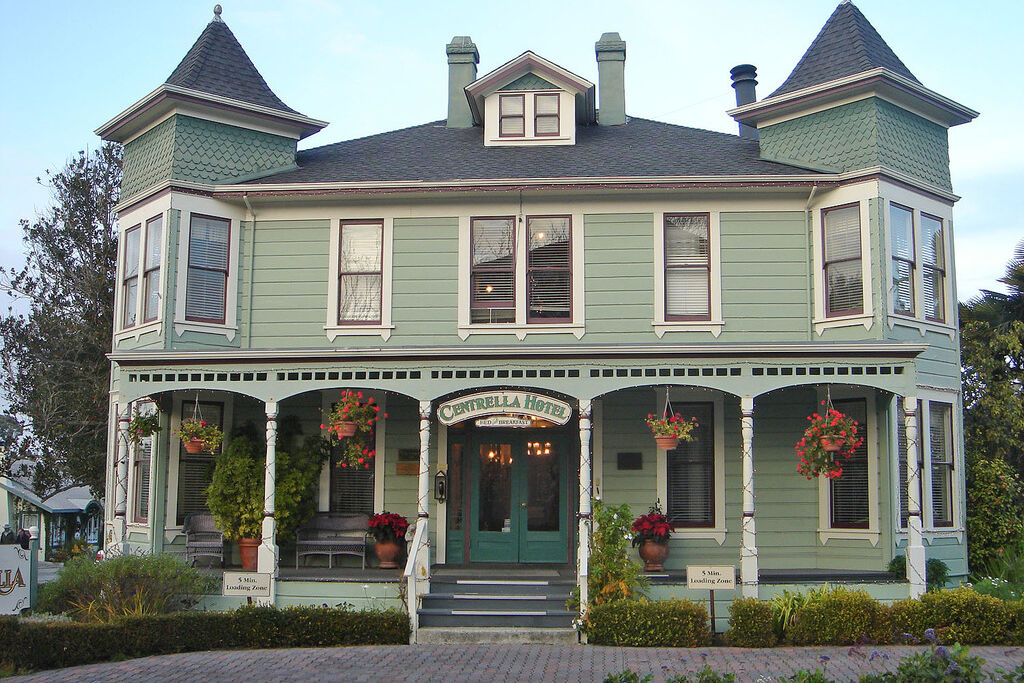
Older homes have details that are hard to find today: solid wood trim, tall windows, generous porches and craftsmanship you can see. Renovating one is a chance to make it safer and more comfortable while protecting the character that drew you to it.
Get to know your house first
Before planning changes, learn what you have. Look for original floors under carpet, period trim, plaster walls and original doors and hardware. Notice which features have been changed already and which are worth restoring.
Fix the bones before the finishes
Older homes often need attention behind the walls. Wiring, plumbing, roofing and foundations should be checked early. Upgrading these systems quietly in the background makes the home safer and protects the beautiful finishes you keep.
Repair before you replace
Original windows, doors and trim can often be repaired, sealed and repainted for less than you might expect. Where replacement makes sense, choose styles, proportions and profiles that match the original look.
Blend modern comfort with period style
- Add insulation and air sealing where it will not damage original features.
- Choose fixtures and lighting inspired by the era of your home.
- Hide modern equipment, such as speakers or heating vents, where you can.
- Use a colour palette that suits the age and style of the house.
Let the kitchen and bathroom be practical
These rooms work hard, so it is fine for them to be more modern. Period-style tile, cabinet doors and hardware can link them to the rest of the house while giving you all the function you need.
Work with a team that respects old houses
Renovating an older home takes patience and care. We take time to understand your house, protect original features during work and explain the options so you can make choices you will be happy with for years.